Nitish Kumar’s MLC Resignation: Shifting Sands in Bihar Politics
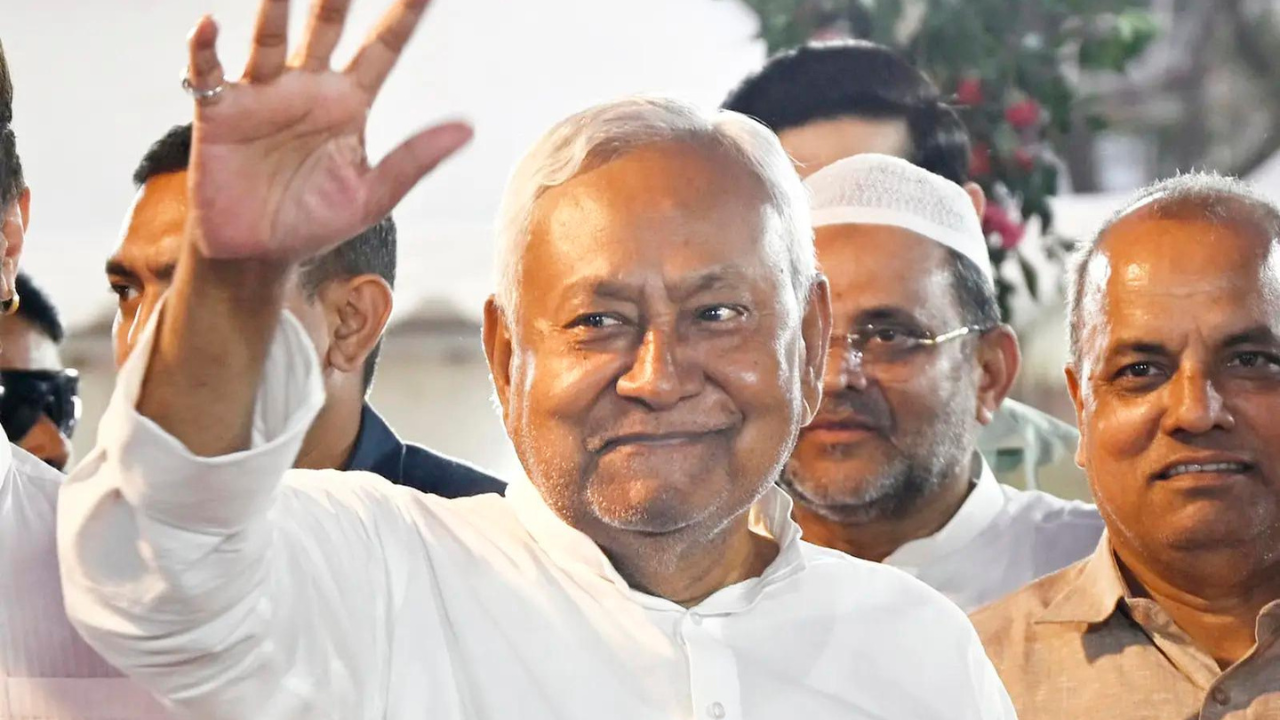
The recent announcement of Nitish Kumar’s resignation from the Bihar Legislative Council (MLC) has sent ripples through the state’s political arena. This development immediately sparks intense speculation regarding the underlying motives and the potential long-term consequences for Bihar’s complex political landscape. Analysts and observers are keen to understand the full scope of this significant move.
The Resignation: A Strategic Political Maneuver?
Nitish Kumar’s departure from his MLC post is not merely a procedural step; it is widely perceived as a strategic play within the intricate political chessboard of Bihar. Such high-profile resignations often precede or signify major shifts in political alliances, leadership roles, or electoral strategies. The timing and context suggest a deliberate decision with broader political objectives in mind, prompting questions about what new directions the Janata Dal (United) might be contemplating.
JD(U)’s Position Amidst the Political Flux
The immediate aftermath of Kumar’s resignation places the Janata Dal (United) under intense scrutiny. The party, historically a dominant force in Bihar, now faces renewed challenges in solidifying its base and asserting its influence. With a key leader making such a significant move, the party’s ability to “hold ground” becomes a central point of discussion. The coming weeks will reveal how JD(U) navigates these internal and external pressures.
BJP’s Undeniable Aspirations for Bihar’s Top Post
Simultaneously, the Bharatiya Janata Party (BJP) continues to strategically eye the Chief Minister’s post in Bihar. This political ambition is no secret, and every major development, including Kumar’s MLC resignation, is viewed through the lens of its potential impact on the BJP’s pursuit of leadership. The resignation could be seen as either opening new avenues or presenting new obstacles for the BJP’s long-term goals in the state. The party’s response and subsequent actions will be closely watched.
Unpacking the Broader Political Implications for Bihar
The political ramifications of Nitish Kumar’s resignation extend beyond individual parties, influencing the overall stability and future direction of Bihar’s governance. This event could trigger a realignment of political forces, impact upcoming electoral strategies, and reshape public perception of key political figures. The interplay between alliance dynamics, electoral calculations, and leadership struggles will define the state’s political trajectory in the near future.
Q: Why did Nitish Kumar resign as an MLC?
A: The specific reasons for Nitish Kumar’s resignation as a Member of the Legislative Council (MLC) are a subject of ongoing political speculation, often linked to strategic political maneuvers or upcoming shifts in alliances within Bihar.
Q: How does Nitish Kumar’s resignation affect JD(U)?
A: Nitish Kumar’s resignation as an MLC puts the Janata Dal (United) under scrutiny, raising questions about its ability to maintain its political ground and influence in Bihar amidst potential leadership and alliance realignments.
Q: Is the BJP actively seeking the Bihar Chief Minister post?
A: Yes, the Bharatiya Janata Party (BJP) has long shown aspirations for the Chief Minister’s post in Bihar, and political developments like Kumar’s resignation are often viewed in the context of their strategic pursuit of this goal.
Q: What are the immediate political ramifications in Bihar following this resignation?
A: The immediate political ramifications include heightened speculation about alliance shifts, potential electoral strategy changes, and a re-evaluation of leadership dynamics within the state’s political parties.
Nitish Kumar’s resignation as an MLC marks a pivotal moment in Bihar’s political narrative, fueling intense discussion about the JD(U)’s resilience and the BJP’s strategic push for the Chief Minister’s seat. This development underscores the volatile nature of state politics, promising further shifts and realignments as parties vie for dominance.