Iran Cites ‘Coercive Measures’ in Rejection of US Peace Talks
Tehran has formally rejected the prospect of a second round of peace talks with the United States. Citing a landscape marred by what it describes as “excessive demands,” constantly “shifting positions,” and persistent “naval confrontations,” Iran has communicated its decision not to proceed with further diplomatic engagements.
Breakdown in Diplomacy: Tehran’s Stance
The Islamic Republic asserts that Washington’s “coercive measures” are directly responsible for the current impasse and the creation of an unfavorable atmosphere for constructive negotiations. These measures, according to Tehran, have fundamentally undermined the potential for meaningful dialogue between the two nations.
Naval Blockade and Maritime Incidents Cited
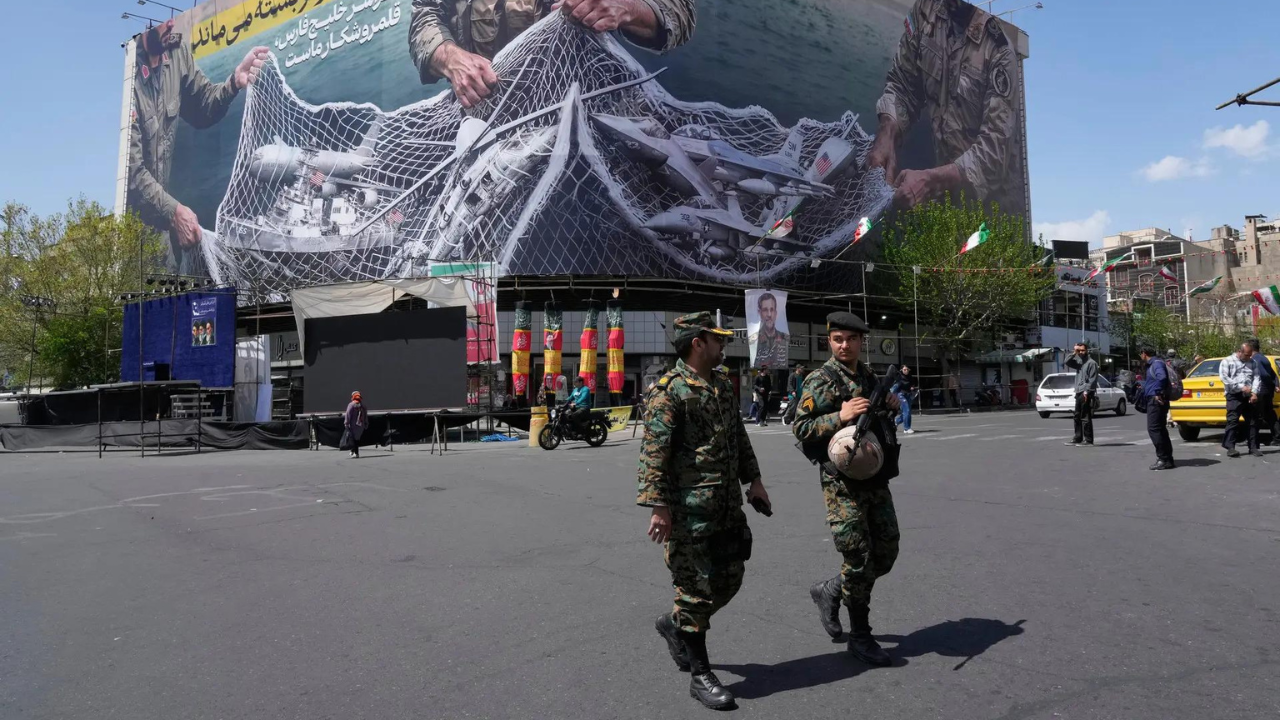
Among the primary grievances highlighted by Iran is an ongoing naval blockade. This, coupled with a series of recent maritime incidents, is seen by Tehran as a significant impediment to peace. These confrontational actions at sea are believed to contribute substantially to the negative environment surrounding any potential talks.
Washington Blamed for Stalled Negotiations
Iran places the blame squarely on the United States, attributing the breakdown in diplomacy and the current hostile negotiating climate to Washington’s actions. The perceived “coercive measures” are identified as the core reason why further peace discussions have been deemed untenable by the Iranian leadership.
Frequently Asked Questions
Q: Why did Iran reject further peace talks with the United States?
A: Iran rejected further peace talks due to what it described as excessive demands, shifting positions from the U.S., and ongoing naval confrontations.
Q: What “coercive measures” does Tehran specifically blame for the diplomatic breakdown?
A: Tehran specifically blames a naval blockade and recent maritime incidents as key “coercive measures” by Washington contributing to the breakdown in diplomacy.
Q: What impact have naval confrontations had on the negotiations?
A: Naval confrontations have been cited by Iran as a factor creating a negative atmosphere for negotiations, contributing to their decision to reject further peace talks.
Iran’s decision to reject further peace talks with the United States underscores a deeply rooted distrust, fueled by persistent naval confrontations and what Tehran describes as Washington’s “coercive measures.” The path to diplomacy remains obstructed by these significant obstacles.