Iran’s Strait of Hormuz Blockade: Navigating a Complex Maritime Chokehold
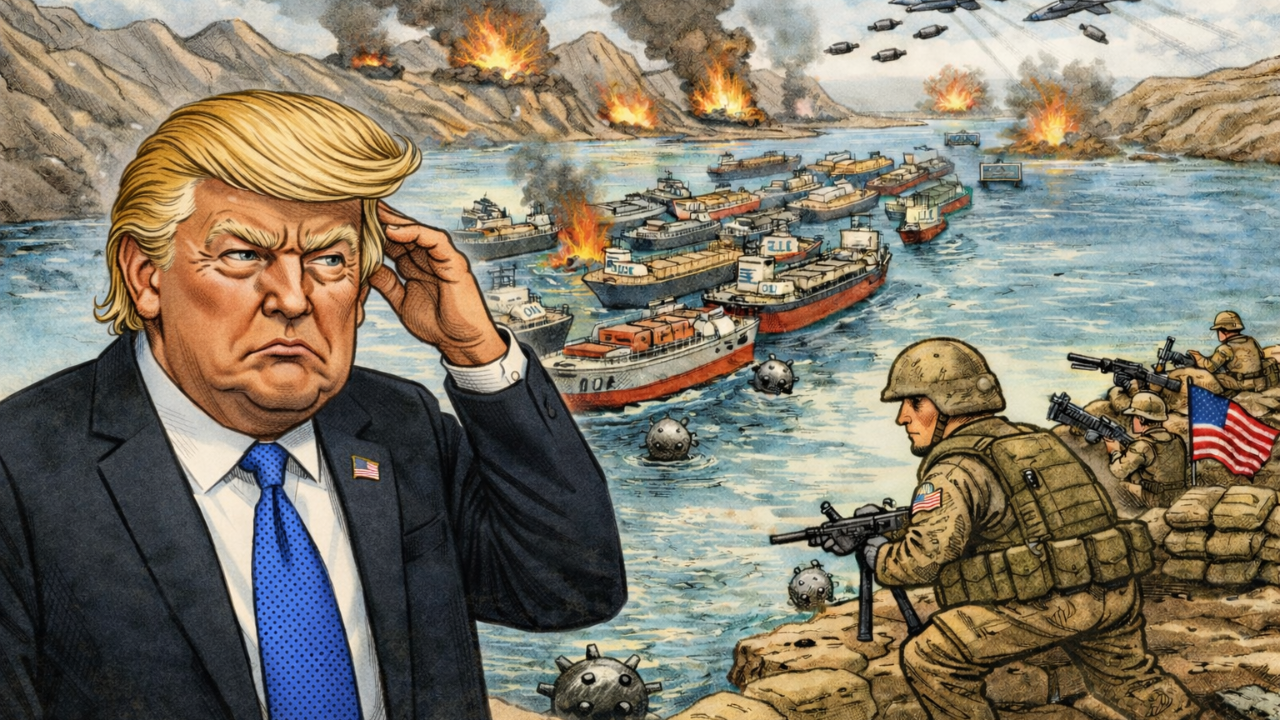
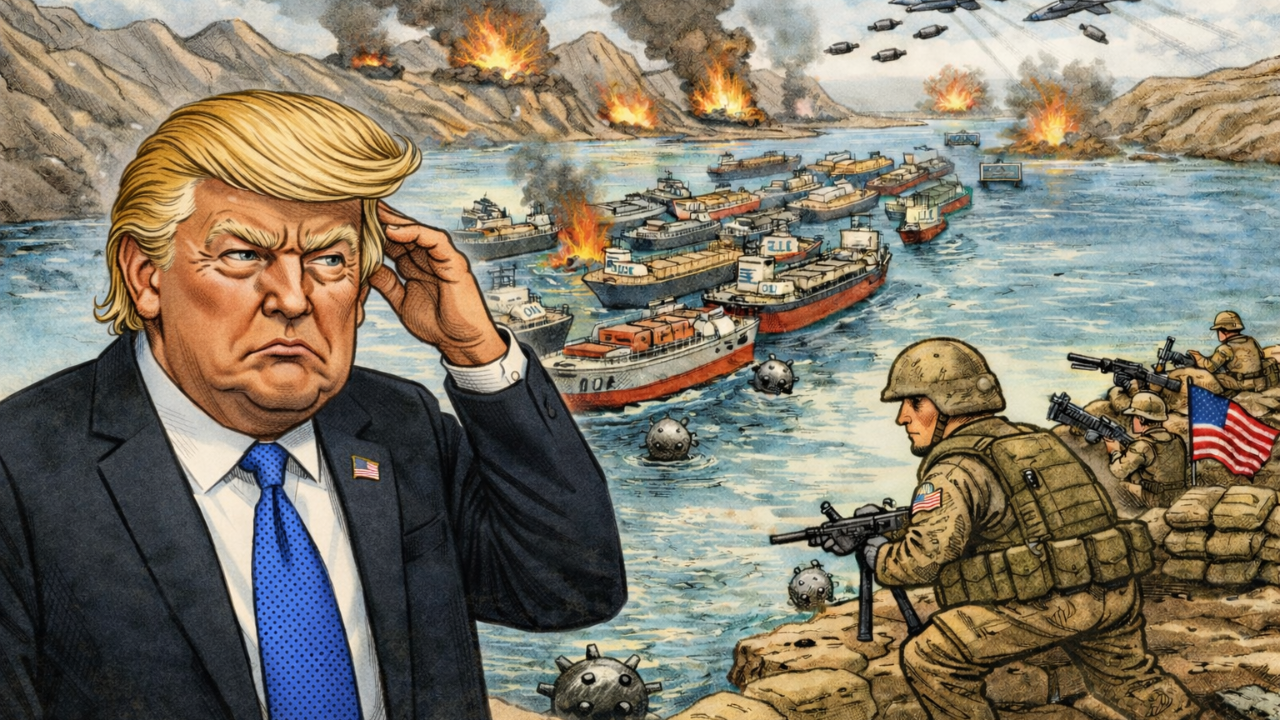
The Strait of Hormuz, a vital artery for global oil transport, currently finds itself under an unprecedented blockade by Iran. This assertive move has swiftly created a tense maritime chokehold, sending ripples through international markets and significantly impacting global oil prices.
The Critical Maritime Chokehold
Positioned at a crucial juncture for worldwide energy flow, the Strait of Hormuz is recognized as an indispensable global oil route. Its current closure by Iranian forces has drawn international attention, highlighting the strategic importance of this narrow waterway to economic stability across the globe.
Escalation and Its Triggers
Iran’s decision to block the strait comes in the wake of a recent US-Israel offensive. This action also follows the significant event of the death of Ayatollah Ali Khamenei. These developments appear to be key drivers behind Iran’s current stance, escalating tensions in the region.
Global Economic Repercussions
The establishment of this maritime chokehold has immediate and profound economic consequences. As a direct result, global oil prices have experienced considerable impact, underscoring the strait’s critical role in the international energy supply chain and its vulnerability to regional conflicts.
Formidable Obstacles to Reopening
While diplomatic discussions are actively underway to resolve the standoff, the prospect of reopening the Strait of Hormuz faces significant hurdles. The challenges are twofold: substantial geographical complexities inherent to the strait’s natural layout, and considerable military obstacles posed by Iran’s presence and capabilities in the area. These combined factors make any resolution a difficult undertaking.
The Path Forward: Diplomacy Amidst Tension
Despite the formidable challenges, diplomatic talks are ongoing as stakeholders seek a peaceful resolution. The international community is keenly watching these discussions, understanding that navigating the intricate geographical and military landscape of the Strait of Hormuz will require careful and sustained negotiation to ease the current tensions and restore this vital global route.
Frequently Asked Questions About the Strait of Hormuz Blockade
-
What is the current situation regarding the Strait of Hormuz?
The Strait of Hormuz, a crucial global oil route, is currently blocked by Iran.
-
Why has Iran blocked the Strait of Hormuz?
Iran’s action follows a US-Israel offensive and the death of Ayatollah Ali Khamenei.
-
How has the blockade of the Strait of Hormuz impacted global markets?
Iran’s creation of a tense maritime chokehold has significantly impacted global oil prices.
-
What makes reopening the Strait of Hormuz a difficult task?
Reopening the strait presents significant geographical and military challenges, even with ongoing diplomatic talks.
The current blockade of the Strait of Hormuz by Iran signifies a critical geopolitical event with immediate global economic repercussions. Despite ongoing diplomatic efforts, the inherent geographical and military complexities underscore why reopening this vital oil route remains an exceptionally challenging endeavor.