Trump Demands Strait of Hormuz Reopening Amid Tensions; Iran Says ‘Lost the Keys’
Former U.S. President Donald Trump has made a direct appeal to Tehran, urging the reopening of the crucial Strait of Hormuz. This demand comes amidst a backdrop of heightened regional instability and follows what appears to be a month of significant conflict in the area. Iran’s reported response, a cryptic and somewhat dismissive declaration of having “lost the keys,” underscores the deep diplomatic chasm between the two nations.
The Strategic Nexus of the Strait of Hormuz
The Strait of Hormuz is one of the world’s most vital maritime chokepoints, funneling a substantial portion of the globe’s oil supply from the Persian Gulf to international markets. Its strategic importance makes any threat to its free passage a matter of profound global economic and geopolitical concern. Any disruption here has immediate and far-reaching consequences for energy prices and global trade.
Trump’s Direct Appeal to Tehran
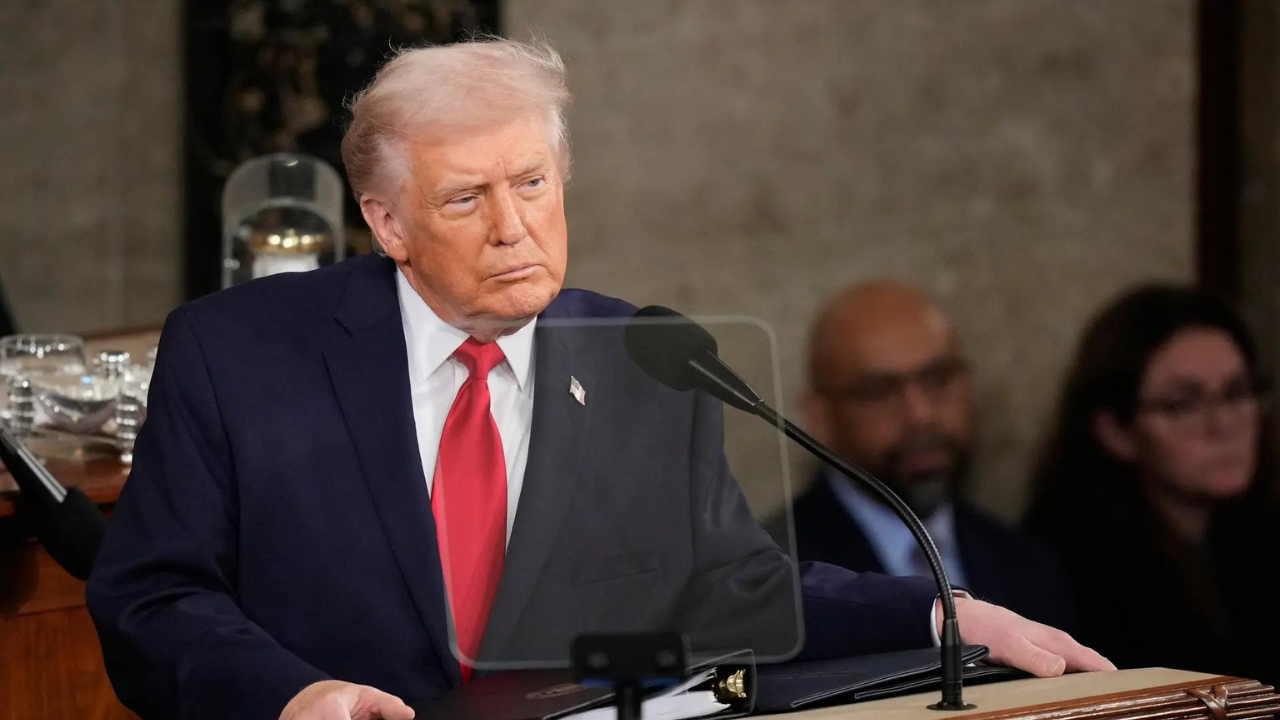
The call from Donald Trump to Tehran signals a direct engagement with the Iranian leadership on a matter of critical international security. While the exact details of the communication remain sparse, the essence of the message was clear: a demand for unimpeded access through the strait. This public address places renewed pressure on Iran regarding its actions in the region and its posture towards international shipping.
Iran’s Cryptic ‘Lost the Keys’ Retort
Tehran’s reported reply—that it has “lost the keys” to the Strait of Hormuz—can be interpreted in multiple ways. It could be a sarcastic dismissal of Trump’s authority or a subtle assertion of Iranian sovereignty and control over the waterway, implying that the decision to open or close it rests solely with them, irrespective of external demands. This response, while seemingly lighthearted, carries significant weight in the context of ongoing tensions.
Background of Regional Instability
The latest exchange between Trump and Tehran takes place after a reported month of conflict, indicating a period of sustained regional unrest. This longer-term instability likely involves various actors and could encompass maritime incidents, proxy conflicts, or other geopolitical maneuvers that have contributed to the current high-stakes environment surrounding the Strait of Hormuz.
Implications for Global Shipping and Diplomacy
The standoff over the Strait of Hormuz has serious implications for global shipping, energy security, and diplomatic relations. The rhetoric exchanged between American figures and Iranian authorities contributes to an already volatile situation, making a clear resolution to the current tensions imperative for international stability and economic predictability. The world watches keenly for the next developments in this critical geopolitical hotspot.
Frequently Asked Questions About the Trump-Iran Hormuz Standoff
- Q: Why is the Strait of Hormuz considered so important?
- A: The Strait of Hormuz is a critical chokepoint for global oil transit, through which a significant portion of the world’s crude oil and refined petroleum products pass daily, making it vital for international energy markets.
- Q: What was Donald Trump’s specific demand regarding the Strait of Hormuz?
- A: Donald Trump reportedly called on Tehran to open the Strait of Hormuz, urging them to allow free and unimpeded passage through the waterway amidst escalating regional tensions.
- Q: How did Iran respond to Trump’s request?
- A: Iran reportedly responded to Trump’s demand by stating it had “lost the keys” to the Strait of Hormuz, a cryptic and potentially sarcastic reply that highlights the diplomatic impasse.
- Q: What is the broader context of these tensions?
- A: The demand and response come after a reported month of conflict, suggesting a period of sustained regional instability and heightened geopolitical friction surrounding the Middle East waterways.
The recent exchange between Donald Trump and Tehran regarding the Strait of Hormuz underscores the persistent and complex geopolitical challenges in the Middle East. With Iran’s dismissive ‘lost the keys’ response, the path towards de-escalation remains unclear, leaving the critical maritime gateway at the heart of ongoing international concern.