The Unraveling: Why US Aircraft Were Destroyed During Iran Rescue
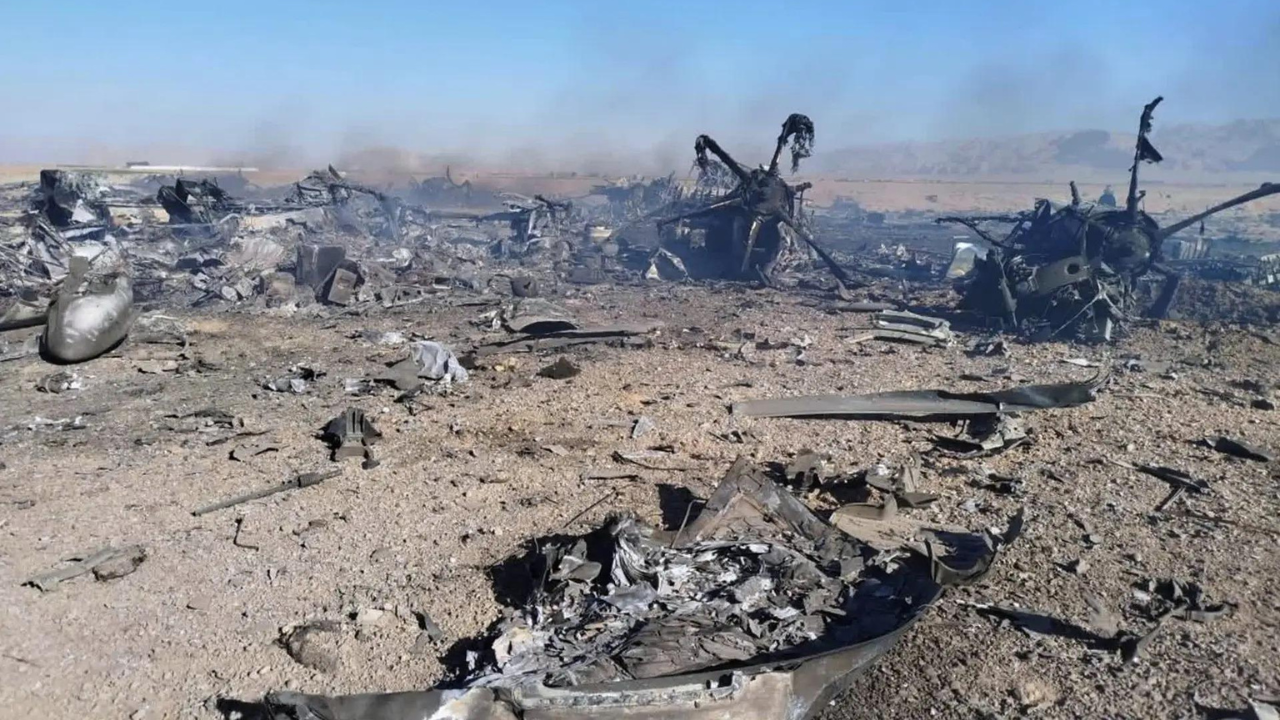
The annals of military history record moments of immense bravery and difficult decisions. Among these stands a truly “most daring” Iran rescue operation, where circumstances led to the controversial act of the United States blowing up its own aircraft. This event has long sparked debate and analysis, focusing on the critical factors that necessitated such extreme measures.
The Mission’s High Stakes
The rescue mission in Iran was fraught with unparalleled risks and immense pressure. Designed to extract personnel from a hostile environment, the operation pushed the boundaries of military planning and execution. The initial objectives were clear, yet the dynamic nature of the situation presented continuous, evolving challenges to the forces involved.
Operational Imperatives and Difficult Choices
At the core of the incident lies the complex interplay of operational imperatives. Faced with rapidly changing conditions and unforeseen obstacles, commanders on the ground were compelled to make agonizing decisions. The destruction of US aircraft was not a light choice but stemmed from a confluence of factors aimed at mitigating further risk and controlling the narrative of the mission’s outcome.
Legacy and Lessons Learned
The fallout from this incident has had a lasting impact on military strategy and planning. It underscores the critical importance of preparedness, adaptability, and the profound weight of command decisions in high-stakes environments. The event serves as a stark reminder of the unpredictable nature of clandestine operations and the sacrifices often entailed.
Frequently Asked Questions
-
Why were US aircraft blown up during the Iran rescue?
The destruction of US aircraft during the Iran rescue mission was a result of complex operational challenges and strategic decisions made under extreme pressure to manage risk and prevent sensitive technology from falling into enemy hands.
-
What made the Iran rescue mission ‘most daring’?
The mission was considered ‘most daring’ due to the hostile environment, the covert nature of the operation, the distances involved, and the immense risks associated with extracting personnel from a deeply entrenched situation in Iran.
-
What were the primary challenges faced during the operation?
Primary challenges included unexpected equipment failures, severe weather conditions, and logistical complexities, all contributing to a rapidly deteriorating operational picture that forced difficult decisions regarding the mission’s assets.
The decision to blow up US aircraft during the ‘most daring’ Iran rescue mission stands as a testament to the unforeseen complexities and tough choices inherent in high-stakes military operations. This event continues to be studied for the critical lessons it offers in strategic planning and tactical execution under immense pressure.