US Bolsters Middle East Presence as Iran Tensions Escalate
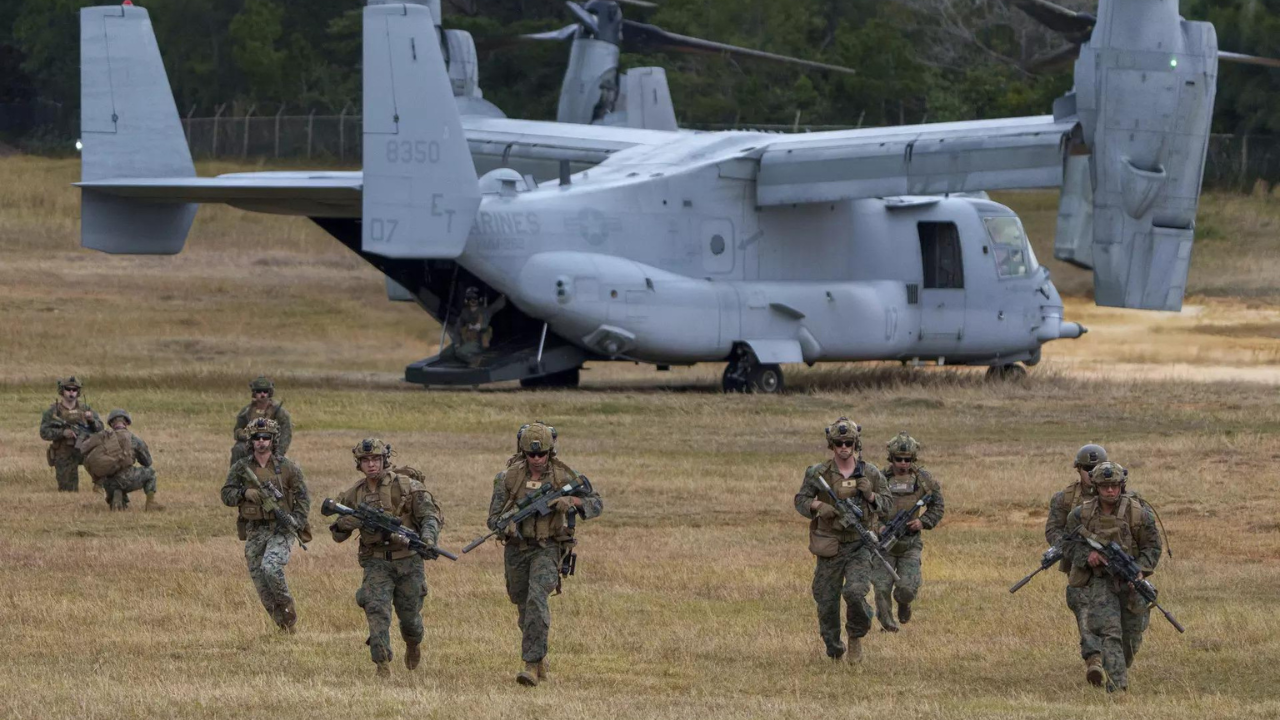
The United States is significantly increasing its military footprint across the Middle East, deploying hundreds of additional troops, including specialized forces. This strategic expansion is a direct response to rising tensions with Iran, aiming to provide more robust operational flexibility.
Strategic Positioning in a Volatile Region
These newly positioned forces are being strategically deployed with several potential objectives in mind. One critical focus is the potential to secure the vital Strait of Hormuz, a crucial global maritime choke point for oil transit.
Potential Objectives: Islands and Nuclear Facilities
Beyond maritime security, the expanded presence also prepares for contingencies such as the seizure of Kharg Island, a key Iranian oil terminal. Furthermore, a significant aspect of this bolstered posture includes the readiness to potentially target Iranian nuclear sites.
This comprehensive deployment and strategic alignment reflect a broader shift in the US military’s posture, adapting to the evolving nature of the ongoing conflict and the dynamic geopolitical landscape of the region.
Frequently Asked Questions
- Q1: Why is the US expanding its military presence in the Middle East?
- A1: The US is expanding its military presence to bolster options amid escalating tensions with Iran.
- Q2: What types of US forces are being deployed?
- A2: Hundreds of additional US troops, including special forces, are being deployed.
- Q3: What are the potential strategic objectives of these troop deployments?
- A3: Potential objectives include securing the Strait of Hormuz, seizing Kharg Island, or targeting Iranian nuclear sites.
- Q4: What is Kharg Island’s significance?
- A4: Kharg Island is a key Iranian oil terminal.
- Q5: How does this deployment reflect a broader US strategy?
- A5: It reflects a broader posture shift as the conflict with Iran evolves.
The recent deployment of additional US troops and special forces to the Middle East underscores a significant strategic pivot by Washington. Focused on key areas like the Strait of Hormuz and potential Iranian targets, this move aims to enhance operational options in an increasingly tense regional environment.