Women’s Reservation Bill Stalls in Lok Sabha Amidst Political Blame Game
Setback for Women’s Reservation Legislation
The government recently encountered a significant legislative hurdle as the proposed women’s reservation bill did not succeed in passing through the Lok Sabha. The crucial legislation required the support of a two-thirds majority to be enacted, a threshold it ultimately failed to achieve.
Minister Rijiju Accuses Opposition of “Anti-Women” Stance
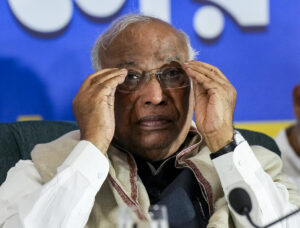
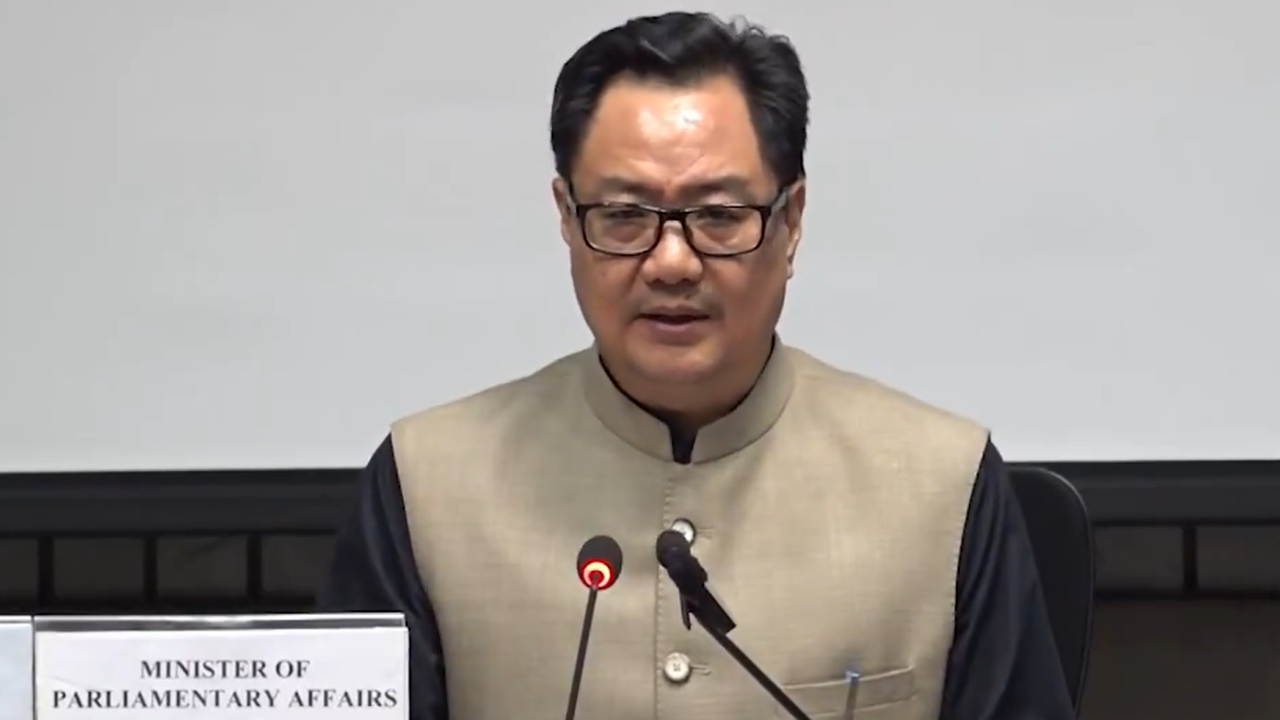
In the aftermath of the bill’s failure, Union Minister Kiren Rijiju openly attributed the setback to the Congress and various other opposition parties. He characterized their actions as an “anti-women stance,” further asserting that the non-passage of the bill represented a substantial blow to the nation’s progress and commitment to gender equality.
Opposition’s Conditions on Delimitation and Census Linkage
While the opposition parties expressed their general support for the concept of women’s reservation, their primary objection stemmed from the bill’s proposed connection to the processes of delimitation and census. This linkage became a contentious point, leading to their collective stance against its passage in the current form, despite acknowledging the importance of reservation itself.
Frequently Asked Questions About the Women’s Reservation Bill
-
What was the outcome for the women’s reservation bill in the Lok Sabha?
The women’s reservation bill failed to pass in the Lok Sabha, as it could not secure the required two-thirds majority.
-
Who did Union Minister Kiren Rijiju hold responsible for the bill’s failure?
Union Minister Kiren Rijiju blamed the Congress and other opposition parties for the bill’s inability to pass.
-
What was the opposition’s main concern regarding the women’s reservation bill?
The opposition parties, while supporting the idea of reservation, opposed the bill’s linkage with delimitation and census processes.
-
What majority was necessary for the women’s reservation bill to pass in the Lok Sabha?
A two-thirds majority was required for the women’s reservation bill to pass in the Lok Sabha.
The non-passage of the women’s reservation bill in the Lok Sabha marks a significant political moment, highlighting a clear divide between the government and opposition regarding its implementation, particularly concerning its linkage with delimitation and census. The bill’s future remains a subject of ongoing debate.